Our Location
304 North Cardinal St.
Dorchester Center, MA 02124

304 North Cardinal St.
Dorchester Center, MA 02124

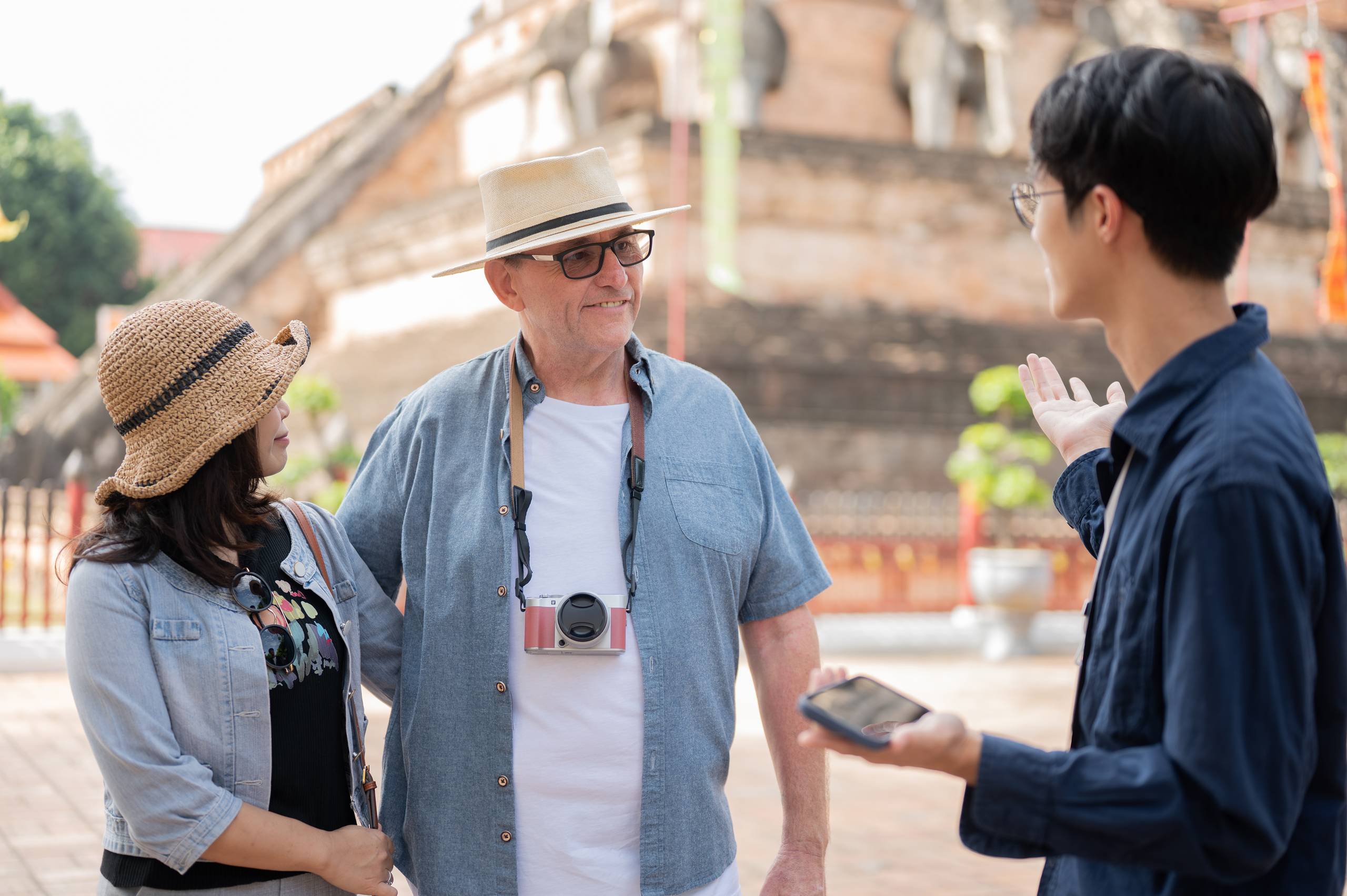
Before we look at the essential knowledge, it is critical to appreciate what tourism is today. Tourism is not about bookings and packages. Tourism is a practice that is impacted by traveller needs, mobility, demands, and values. Tourism is the dynamics between cultures, places, economies, institutions, logistics, services, communication, and sustainability. It is also about making choices and having knowledge to do so. The starting point for working in tourism is recognising it as a system rather than a set of discrete events.
Travel today is a highly experiential process. It is no longer enough to transport or lodge someone, they require an experience. They require timely information, special care, and many other things. They require changes when necessary. Hence, modern tourism is increasingly about interpreting needs, adapting services, and having the skills to respond to requirements as they emerge. Being a master of tourism services is about understanding what to do, but also how and when.
Managing systems is another critical skill for those employed in tourism. There are many steps to take in order to get someone from point A to point B. Often, many other organisations, systems, and individuals are involved in the process. Things can go wrong and they can get out of hand if not managed. An effective tourism practitioner is able to have knowledge of what needs to be done, and how to do it, but also to manage the process. To be able to act and react within a structure and framework.
Sustainability and ethics are important knowledge for anyone working in tourism. They should understand the impacts of their actions and services and make choices that are appropriate. Modern travellers increasingly have values and principles such as sustainability, responsibility, and community, and tourism practitioners should be able to embrace them.
Finally, tourism is a skillset, a practice. The key to mastering it is to keep learning. New technologies, places, trends, and innovations are continually emerging. Practitioners should be able to learn and apply knowledge, but also to evaluate, interpret, and make informed choices. They should be able to develop a framework for managing the tourism experience. In doing so, they are not only competent to deliver tourism experiences but are able to do so in a way that is professional and fulfilling for all involved.